
If you've ever stood in the vitamin aisle and seen the words "AREDS2 formula" on a bottle, you've met the legacy of one of the largest eye nutrition studies ever run in the United States. It was funded by the National Eye Institute, part of the National Institutes of Health, and its results still shape what eye doctors recommend to people with age-related macular degeneration, or AMD.1
The story starts with the first study, AREDS, published in 2001. It found that a high-dose combination of antioxidants and zinc lowered the risk of progressing to advanced AMD in people who already had intermediate AMD, or advanced AMD in one eye.2 But that original formula had a problem: beta-carotene. So researchers designed a second trial to see whether two other nutrients could do the job better.
The study at a glance
- Name
- Age-Related Eye Disease Study 2 (AREDS2)
- Run by
- National Eye Institute, National Institutes of Health
- Published
- JAMA, 2013, volume 309, issue 19, pages 2005–2015
- Who took part
- 4,203 adults aged 50 to 85 at risk of progressing to advanced AMD
- How long
- About five years of follow-up
- What was tested
- Adding lutein (10 mg) + zeaxanthin (2 mg), omega-3 fatty acids, both, or placebo to the AREDS formula, and removing beta-carotene in some groups
What the researchers found
The headline results came in three parts. First, omega-3 fatty acids (fish oil) added no benefit for AMD progression. Second, adding lutein and zeaxanthin to the formula was associated with a modest, roughly 10% lower risk of progressing to advanced AMD overall, a difference that did not reach statistical significance in the main analysis.3
The third part is where it gets interesting. In secondary analyses, participants who got the least lutein and zeaxanthin from their everyday diet saw the clearest benefit from adding them, with about a 26% lower risk of progressing to advanced AMD.3 And when researchers compared lutein and zeaxanthin directly with beta-carotene, the two carotenoids performed better, without beta-carotene's safety concern.1,3
Risk of progressing to advanced AMD, relative to the original formula
index · AREDS formula = 100 · lower is better
Illustrative, based on published findings (AREDS2 Research Group, JAMA 2013). Bars show approximate relative risk, not absolute risk. The overall ~10% difference was not statistically significant in the primary analysis; the lowest-diet result comes from a secondary analysis.
The people who ate the least lutein and zeaxanthin saw the clearest benefit from adding them.
Why swap out beta-carotene?
Earlier research had linked high-dose beta-carotene to a higher risk of lung cancer in smokers. In AREDS2, more lung cancers were seen in the groups taking beta-carotene, mostly among former smokers. Lutein and zeaxanthin did not show that pattern.1,3 That's why the National Eye Institute's updated AREDS2 formula replaces beta-carotene with lutein and zeaxanthin.1
Why lutein and zeaxanthin, of all nutrients?
Lutein and zeaxanthin aren't random choices. They are carotenoids, yellow plant pigments, and they're the only two (along with a close cousin, meso-zeaxanthin) that build up in the macula, the small central area of the retina you use to read, drive and recognize faces. Together they form what scientists call macular pigment.
What it doesn't mean
Good science reporting means being clear about the limits. AREDS2 is a landmark study, but it answers a specific question.
- It studied people already at risk. Participants had intermediate AMD, or advanced AMD in one eye. The results don't automatically apply to people with healthy eyes.
- It's not prevention for everyone. The AREDS studies did not show that the formula prevents AMD from developing in people who don't have it.4
- It doesn't restore lost vision. The goal was slowing progression, not reversing damage.
- The biggest benefit was in a subgroup. The ~26% figure comes from a secondary analysis of people with the lowest dietary intake.
- Your eye doctor decides. If you have AMD or are at risk, ask whether the AREDS2 formula itself is right for you.
Where it fits in the bigger picture
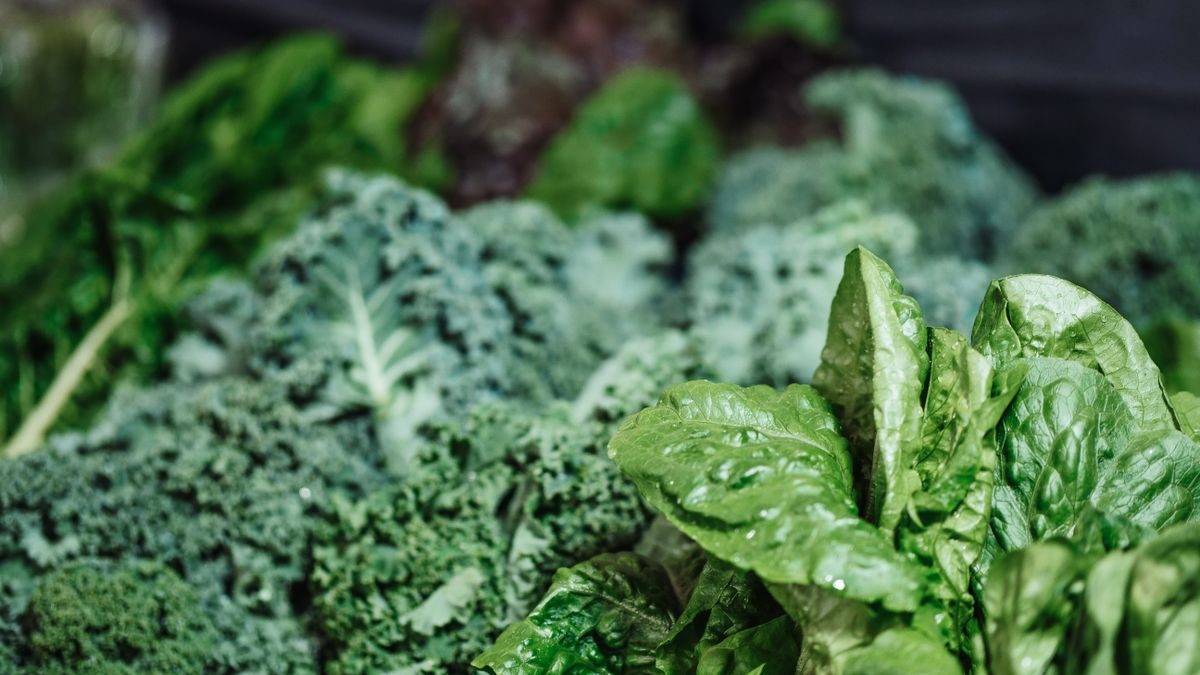
Before any supplement, there's your plate. Lutein and zeaxanthin are found mostly in dark leafy greens and in egg yolks, where the fat in the yolk helps the body absorb them. Most Americans eat far less of these foods than they think, which is part of why the "lowest intake" result in AREDS2 caught researchers' attention.

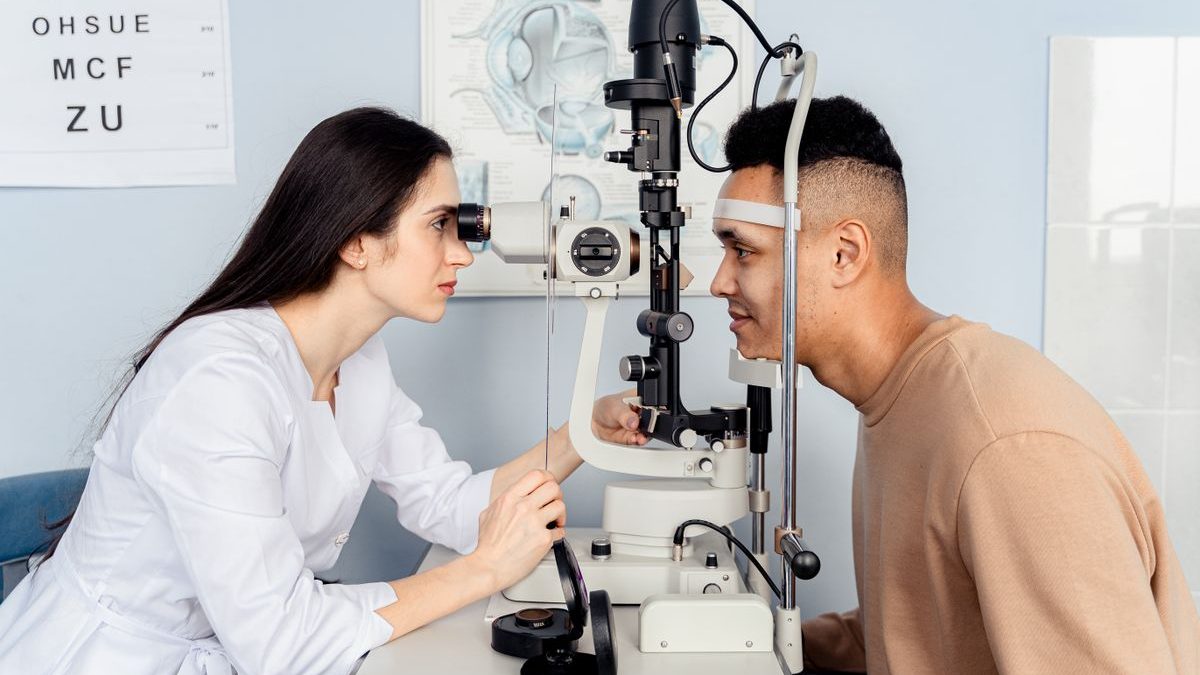
The other basics matter too: don't smoke, wear sunglasses outdoors, keep blood pressure in check, and get a dilated eye exam on the schedule your eye doctor recommends. After 60, the American Academy of Ophthalmology suggests regular comprehensive exams even if your vision seems fine.5

"AREDS2 changed the conversation from 'antioxidants in general' to two very specific nutrients that the eye actually stores. If your diet is light on greens and eggs, that's the gap worth closing first."
What it means for you
- Eat your greens. Aim for leafy greens most days and eggs a few times a week.
- Read the label. If you choose a supplement, look for the actual amounts of lutein and zeaxanthin, not just the word "eye".
- Take it with food. Lutein and zeaxanthin are fat-soluble, so a meal helps absorption.
- Be consistent. Macular pigment builds up slowly, over weeks and months.
- Book the exam. If you're over 50, ask your eye doctor about AMD and whether an AREDS2 formula fits your situation.
A daily formula built around lutein and zeaxanthin
The AREDS2 findings are the reason so many eye formulas now center on lutein and zeaxanthin. One of them is OcuLutein, the sponsor of this article. It combines a lutein + zeaxanthin complex (amounts per capsule to confirm) with Nordic bilberry extract and astaxanthin, in one capsule taken in the morning after breakfast.
To be clear about the evidence: OcuLutein is not the AREDS2 formula, which also includes high-dose vitamins C and E, zinc and copper. The research on lutein and zeaxanthin is the strongest part of the story. The research on bilberry and astaxanthin for the eyes is promising but smaller, mostly short studies on visual comfort and eye fatigue.
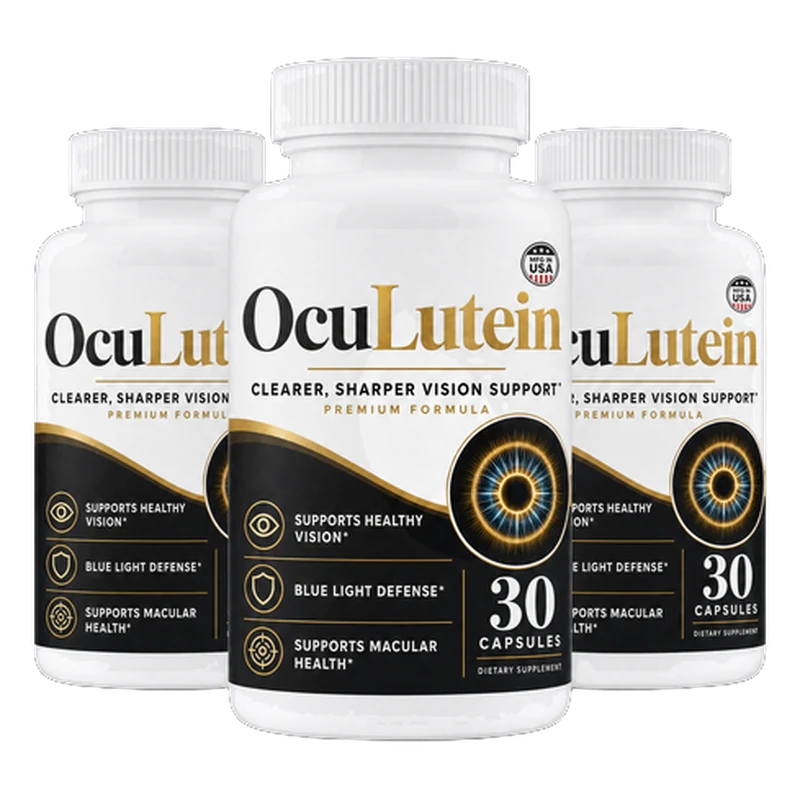
OcuLutein: clearer, sharper vision support*
- Lutein + zeaxanthin complex for macular health*
- Nordic bilberry extract and astaxanthin
- Blue light defense*
- One capsule every morning, after breakfast · 30 capsules per bottle
- Made in the USA in a GMP facility · non-GMO
OcuLutein is designed to support healthy vision and macular health as part of a healthy routine.* It's a dietary supplement, not a medicine, and it works alongside the habits above and your eye doctor's advice, not instead of them.
What customers are saying
Frequently asked questions
What is the AREDS2 study?
AREDS2 is a clinical trial run by the National Eye Institute and published in JAMA in 2013. It followed 4,203 adults aged 50 to 85 who were at risk of advanced age-related macular degeneration for about five years, and tested adding lutein (10 mg), zeaxanthin (2 mg) and omega-3 fatty acids to the original AREDS eye formula.
Why did AREDS2 replace beta-carotene with lutein and zeaxanthin?
Beta-carotene had been linked to a higher risk of lung cancer in current and former smokers. Lutein and zeaxanthin did not show that concern in the study and performed at least as well, so the National Eye Institute's updated AREDS2 formula uses lutein and zeaxanthin instead of beta-carotene.
Should everyone over 50 take an AREDS2 supplement?
No. The AREDS2 formula was studied in people already at risk of advanced AMD, and the AREDS studies did not show that it prevents AMD in people who do not have it. Ask your eye doctor whether a supplement makes sense for you, and keep up regular dilated eye exams.
What is in OcuLutein?
OcuLutein combines a lutein and zeaxanthin complex with Nordic bilberry extract and astaxanthin in one daily capsule, taken in the morning after breakfast. It is made in the USA in a GMP facility and comes with a 180-day money-back guarantee.
- National Eye Institute. AREDS/AREDS2 Clinical Trial Questions and Answers.
- Age-Related Eye Disease Study Research Group. A randomized, placebo-controlled, clinical trial of high-dose supplementation with vitamins C and E, beta carotene, and zinc for age-related macular degeneration and vision loss: AREDS report no. 8. Archives of Ophthalmology. 2001;119(10):1417–1436.
- Age-Related Eye Disease Study 2 Research Group. Lutein + zeaxanthin and omega-3 fatty acids for age-related macular degeneration: the Age-Related Eye Disease Study 2 (AREDS2) randomized clinical trial. JAMA. 2013;309(19):2005–2015.
- National Eye Institute. Age-Related Macular Degeneration (AMD).
- American Academy of Ophthalmology. Eye Exam and Vision Testing Basics.